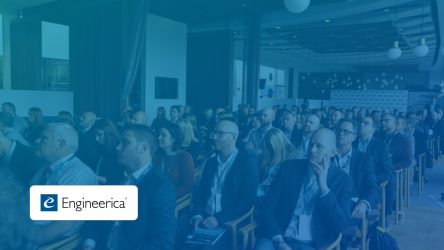
Picture this: You’ve planned the perfect conference, workshop, or product launch. The speakers are lined up, the venue is booked, and the agenda sparkles with value. But when registration day arrives, you’re met with crickets. Sound familiar?
You’re not alone. Even the most meticulously planned events fail without solid event marketing ideas to get the word out. The difference between a packed venue and an embarrassing turnout often comes down to one thing: how effectively you promote your event across every stage of the planning process.
Whether you’re organizing an intimate workshop or a massive hybrid conference, the right marketing tactics transform quiet interest into explosive momentum. This guide breaks down 45+ actionable event marketing ideas organized by timeline, budget, and implementation difficulty, so you can pick exactly what works for your event and audience.
What Makes Event Marketing Actually Work
Before we jump into specific tactics, let’s talk about what separates successful event promotion from wasted effort.
The most powerful event marketing isn’t about shouting louder than everyone else. It’s about creating genuine excitement that spreads organically while strategically amplifying that buzz through the right channels at the right time.
Three elements consistently drive event success: timing your campaigns to match attendee decision-making patterns, leveraging multiple touchpoints to stay top-of-mind, and building authentic community excitement rather than relying solely on top-down advertising. Grassroots, community-driven promotion has become increasingly important, with attendees themselves becoming your most powerful marketing channel.
Smart event marketers also recognize that different audience segments need different approaches. A corporate training session requires completely different promotional tactics than a music festival or academic conference. Your event type, target audience, and format (in-person, virtual, or hybrid) should fundamentally shape which ideas you prioritize.
View: Academic conference management software
Pre-Event Marketing Ideas (3-6 Months Out)
This early phase sets your foundation. Start too late, and you’ll miss early adopters who book their calendars months in advance. Start too early, and your message gets lost in the noise.
Launch Early Bird Pricing and Tiered Discounts
Early bird discounts aren’t just about filling seats quickly. They create urgency, reward your most engaged audience members, and generate initial revenue that funds additional marketing efforts.
Structure your pricing in clear tiers: super early bird (4-6 months out), early bird (2-3 months), regular pricing, and late registration. Each tier should offer meaningful savings, typically 10-30% off the regular price for the earliest registrants.
Budget: Free | Difficulty: Easy | Expected Impact: High
The psychological principle here is powerful. When people see a ticking clock on savings, they act. But don’t make your early bird period too long, or urgency evaporates. Early bird tiers often last 2-4 weeks, but the optimal duration varies by event. Some organizers find that one month per phase works well, allowing sufficient time for decisions without losing momentum.
Build a Dedicated Event Landing Page
Your event needs a home online, and a social media post won’t cut it. A dedicated landing page serves as your central hub for information, registration, and credibility building.
Include clear information about what attendees will gain, who’s speaking or presenting, the agenda highlights, pricing details, and a prominent registration form. Make sure the page loads quickly and works flawlessly on mobile devices, since many people will discover your event on their phones.
Budget: $ | Difficulty: Moderate | Expected Impact: High
Modern event management platforms simplify this process by letting you create custom-branded event websites with integrated registration forms, payment gateways, and real-time capacity tracking, all without needing technical expertise.
View: Event website creator
Start Email Campaigns Early with Segmented Lists
Email remains one of the highest-converting channels for event promotion, but only when done thoughtfully. Blasting your entire contact list with identical messages is a recipe for unsubscribes.
Segment your audience by previous event attendance, industry, job role, location, or engagement level. Craft specific messaging that speaks to each group’s unique interests and pain points.
Budget: Free-$ | Difficulty: Moderate | Expected Impact: High
Your first campaign should generate awareness and early interest without demanding immediate action. Share your event vision, tease exciting elements, and invite people to save the date. Follow up with progressively more specific messages as you announce speakers, reveal agenda details, and approach registration deadlines.
Read: Event email marketing

Set up the Event Management Software
Conference Tracker by Engineerica serves as a one-stop solution for event management, combining efficiency, data insights, and adaptability.
For organizers seeking a comprehensive tool that covers all facets of event management, from registration to post-event analysis, Conference Tracker offers everything needed to elevate the event experience and ensure success.
Learn more: Event management software
Secure Influencer and Partner Collaborations
Want to reach audiences beyond your existing network? Partner with influencers, industry thought leaders, or complementary organizations who already have their attention.
Identify partners whose audiences overlap with your target attendees but who aren’t direct competitors. Offer mutual value: guest speaking opportunities, co-marketing arrangements, or affiliate commissions on ticket sales they generate.
Budget: $-$$ | Difficulty: Moderate | Expected Impact: High
The key is authentic alignment. A forced partnership feels transactional and won’t drive meaningful registrations. Look for partners who genuinely care about your event topic and can speak credibly about why their audience should attend.
Read: Event Influencer Marketing
Create a Referral Program with Real Incentives
Turn your early registrants into active promoters by offering compelling rewards for spreading the word. Referral programs work because people trust recommendations from friends and colleagues far more than traditional advertising.
Structure incentives that matter to your audience. For B2B events, this might be discounted group rates or VIP upgrades. For consumer events, consider free merchandise, exclusive access, or significant ticket discounts.
Budget: Free-$ | Difficulty: Easy | Expected Impact: High
Event organizers have successfully offered free VIP upgrades to attendees who referred multiple friends, multiplying their reach through personal networks. Ambassador programs take this further by recruiting super-fans who earn ongoing commissions or perks for every ticket they help sell.
View: B2B Event Marketing: Best Strategies
Produce Teaser Videos and Behind-the-Scenes Content
Video content captures attention and creates emotional connections. Create short, compelling videos that showcase what makes your event special: quick speaker interviews, venue tours, highlights from previous years, or sneak peeks at what attendees will experience.
Keep videos concise and mobile-optimized, with captions for silent viewing. Focus on emotion and energy rather than information overload.
Budget: $-$$ | Difficulty: Moderate | Expected Impact: Moderate
Behind-the-scenes content humanizes your event and builds anticipation. Share setup preparations, speaker rehearsals, or team planning sessions. This insider perspective makes people feel connected before they ever arrive.
https://www.youtube.com/shorts/z_URNGUOtDg
Digital and Social Media Promotion Strategies
Social media isn’t optional anymore. It’s where conversations happen, communities form, and event buzz either ignites or fizzles. But effective social promotion requires more than posting your registration link repeatedly.
Create a Unique Event Hashtag and Use It Consistently
A dedicated hashtag serves as a rallying point for conversation, makes your event discoverable, and helps you track engagement across platforms. Choose something short, memorable, and specific enough that it won’t get confused with other topics.
Launch your hashtag early and use it in every piece of event-related content. Encourage speakers, partners, and early registrants to use it in their posts too.
Budget: Free | Difficulty: Easy | Expected Impact: Moderate
Monitor your hashtag regularly. Engage with people using it, reshare compelling posts, and join conversations. This active participation signals that real humans care about the event, not just automated marketing bots.
Run Countdown Campaigns Across Platforms
Countdowns create mounting anticipation and remind your audience that time is running out. Start countdowns at meaningful intervals: 90 days, 60 days, 30 days, two weeks, one week, and the final 24 hours.
Each countdown post should offer new information, not just repeat “X days left!” Share newly announced speakers, reveal agenda details, spotlight sponsors, or highlight what makes this year’s event special.
Budget: Free | Difficulty: Easy | Expected Impact: Moderate
Visual countdown timers embedded in your posts and event website make the urgency tangible. The scarcity created by ticking clocks, especially when combined with limited-availability messaging, drives action.
Leverage Instagram and TikTok Stories for Real-Time Updates
Stories and short-form video content offer authentic, less polished updates that give your audience an insider view.
Share speaker announcements, venue preparations, registration milestones, or quick polls asking what sessions people are most excited about. Scarcity and temporary offers create fear of missing out, commonly used in effective promotions.
Budget: Free | Difficulty: Easy | Expected Impact: Moderate
Stories also offer interactive features like polls, question stickers, and countdown timers. These tools transform passive viewers into active participants, deepening their connection to your event before it begins.
Host Instagram or Facebook Live Q&A Sessions
Live video breaks down barriers between organizers and potential attendees. Schedule Q&A sessions where people can ask anything about your event: logistics, content, networking opportunities, or speaker topics.
More info can be found on the official Instagram page about the “live” feature.
Promote these sessions in advance and save the recordings for people who couldn’t attend live. The real-time interaction builds trust and addresses concerns that might otherwise prevent registration.
Budget: Free | Difficulty: Moderate | Expected Impact: Moderate
Invite speakers or special guests to join your live sessions. Their presence adds credibility and often brings their audiences into your orbit.
Create Instagram-Worthy Photo Opportunities and Tease Them
Visual appeal drives social sharing. If you’re planning an in-person event, design specific areas or installations that beg to be photographed and shared.
Think branded backdrops, creative signage, unique decor elements, or interactive installations. Tease these visual elements in your pre-event marketing so attendees arrive knowing where to capture their perfect shot.
Budget: $-$$ | Difficulty: Moderate | Expected Impact: Moderate
When attendees share photos with your event hashtag and location tags, they become brand ambassadors reaching their entire social network. This organic sharing carries the endorsement of someone their followers actually know, providing powerful word-of-mouth promotion.
Launch Social Media Contests and Giveaways
Contests accelerate reach by incentivizing shares, tags, and engagement. Simple mechanics work best: share a post and tag friends to enter, use your event hashtag for a chance to win, or create content related to your event theme.
Prizes should align with your event and audience. Free tickets, VIP upgrades, exclusive merchandise, or experiences connected to your event topic all work well.
Budget: $-$$ | Difficulty: Easy | Expected Impact: High
Make entry requirements beneficial to your goals. Requiring participants to follow your account, tag multiple friends, or share your post dramatically extends your organic reach. Just ensure your contest follows platform rules to avoid being penalized.
Use User-Generated Content in Your Campaigns
Your attendees create more compelling content than your marketing team ever could. Encourage people to share their excitement, preparation, or reasons for attending, then feature the best submissions in your official marketing.
This approach accomplishes multiple goals: it provides authentic social proof, recognizes your community, diversifies your content, and encourages more people to contribute their own posts hoping to be featured.
Budget: Free | Difficulty: Easy | Expected Impact: Moderate
Always ask permission before reposting someone’s content, and give proper credit. This respect builds goodwill and encourages ongoing participation.

Set Up Facebook or LinkedIn Event Pages
Platform-specific event pages make it ridiculously easy for people to RSVP, share with their networks, and receive updates. Facebook and LinkedIn event pages both offer unique advantages.
Facebook events excel for consumer-facing occasions and local gatherings. LinkedIn events shine for professional conferences, B2B workshops, and industry networking opportunities.
Budget: Free | Difficulty: Easy | Expected Impact: Moderate
Post regular updates to your event page to keep it active in members’ feeds. Share content milestones, new speaker announcements, or relevant industry articles. Active event pages signal momentum and credibility.
Email Marketing and Direct Outreach Tactics
While social media captures attention, email converts interest into registrations. Your email strategy should evolve as your event approaches, with each message serving a specific purpose.
Send Personalized Speaker Announcement Emails
Every time you confirm a notable speaker or special guest, you have new marketing ammunition. Send dedicated emails announcing these additions to your lineup.
Explain why each speaker matters, what topics they’ll cover, and what unique value they bring. Include brief bios, photos, and quotes about why they’re excited to participate.
Budget: Free | Difficulty: Easy | Expected Impact: High
Personalization goes beyond using someone’s first name. Segment your list so sales professionals hear about sales-focused speakers, while technical audiences learn about hands-on workshops relevant to them.
Create Email Drip Campaigns with Dynamic Content
Automated drip campaigns nurture interest over time without requiring constant manual effort. Design a sequence that educates recipients about your event value, addresses common objections, and progressively builds urgency.
Dynamic content adapts messages based on recipient characteristics or behaviors. Someone who clicks your agenda link receives a different follow-up than someone who only opens the subject line.
Budget: Free-$ | Difficulty: Moderate | Expected Impact: High
Weekly emails during active phases are common, but test frequency for your audience. Too frequent and you’ll trigger unsubscribes; too sparse and people forget about you.
Send Agenda Reveal Emails in Phases
Don’t dump your entire agenda in one overwhelming email. Release it strategically in phases: first announce keynote speakers, then reveal breakout tracks, followed by networking activities, and finally special experiences or surprises.
Each phase gives you another reason to reach out and another opportunity for recipients to find something that excites them enough to register.
Budget: Free | Difficulty: Easy | Expected Impact: Moderate
Frame each email around attendee benefits, not just schedule logistics. Instead of “Conference Schedule Released,” try “Here’s How You’ll Transform Your Marketing Strategy in Just Two Days.”
Deploy Registration Reminder Sequences
People need multiple touches before taking action. Someone who showed interest but hasn’t registered needs strategic reminders that address different motivations.
Design a sequence that first emphasizes value and learning opportunities, then introduces social proof from past attendees, and finally creates urgency around limited spots or expiring discounts.
Budget: Free | Difficulty: Moderate | Expected Impact: High
Track which emails drive the most conversions. If your testimonial email significantly outperforms others, that tells you social proof resonates with your audience and should feature more prominently in future campaigns.
Leverage Direct Outreach to High-Value Prospects
For certain events, particularly B2B conferences or exclusive gatherings, personal outreach from leadership makes the difference. Identify your highest-value potential attendees and reach out individually.
This doesn’t scale, which is precisely why it works. A personalized invitation from your CEO or event chair signals the importance that mass emails can’t convey.
Budget: Free | Difficulty: Moderate | Expected Impact: High
Explain specifically why you think this person should attend and what unique value they’ll receive. Reference their work, acknowledge their expertise, or mention connections they’ll make. Generic invitations, even when personalized with a first name, don’t count as personal outreach.
Conference Tracker
Check people in fast. Prove they were there.
Conference Tracker scans attendees with the phones your staff already carry, tracks time in every session, and issues certificates and CEU transcripts on its own. One conference ran 2,623 attendees across 186 sessions on it.
30+ years building attendance tracking for events and education

Creative and Experiential Event Marketing Ideas
Sometimes the best marketing happens entirely outside digital channels. Creative, experiential tactics create memorable impressions and word-of-mouth momentum that algorithms can’t replicate.
Organize Street Teams in Target Locations
Street teams put human faces on your event in places your audience actually gathers. Deploy enthusiastic team members to distribute flyers, engage in conversations, and create visible energy around your event.
Target locations strategically: industry conferences, college campuses, business districts, coffee shops, or anywhere your ideal attendees congregate. Brief your team thoroughly so they can answer questions and convey genuine enthusiasm.
Budget: $-$$ | Difficulty: Moderate | Expected Impact: Moderate
Street teams work especially well for local events or when targeting specific geographic areas. The face-to-face interaction creates connections that digital marketing rarely achieves.
Partner with Local Businesses for Cross-Promotion
Local businesses often share your target audience and welcome low-cost marketing partnerships. Approach coffee shops, coworking spaces, restaurants, or retail stores frequented by your ideal attendees.
Offer to display their materials at your event in exchange for promoting your event in their space. This mutual benefit costs nothing but creates new touchpoints with potential attendees in their daily routines.
Budget: Free-$ | Difficulty: Easy | Expected Impact: Moderate
Go beyond just hanging a poster. Ask partners to mention your event in their email newsletters, social media posts, or even verbal recommendations to customers. The more integrated the partnership, the better the results.
Create Branded Event Merchandise for Pre-Event Buzz
Merchandise turns attendees into walking advertisements before your event even begins. Design items people actually want to use: quality t-shirts, stickers, tote bags, or accessories related to your event theme.

Send merchandise to registered attendees before the event, especially speakers, sponsors, and VIPs. When they wear or use your branded items, they spark conversations and social media posts that extend your reach.
Budget: $$ | Difficulty: Moderate | Expected Impact: Moderate
Make your merchandise Instagram-worthy. Unique designs, high-quality materials, and clever concepts encourage people to photograph and share what they received.
Host Pre-Event Meetups or Networking Sessions
Smaller gatherings before your main event build community and momentum. Organize casual meetups in multiple cities, virtual coffee chats, or interest-based networking sessions.
These pre-events serve multiple purposes: they give people a taste of what to expect, help attendees start building connections early, and create social proof through photos and testimonials you can use in broader marketing.
Budget: $-$$ | Difficulty: Moderate | Expected Impact: Moderate
Don’t make pre-events feel like sales pitches. Focus on delivering genuine value and facilitating real connections. The soft sell of “imagine this energy multiplied at the main event” proves far more effective than hard registration pushes.
Design Interactive Social Media Challenges
Challenges invite participation beyond passive scrolling. Create a simple, fun activity related to your event theme that people can complete and share publicly.
Examples include photo challenges (“Show us your workspace”), video submissions (“Tell us your biggest industry challenge in 30 seconds”), or creative interpretations of your event theme. Offer prizes for the best submissions to boost participation.
Budget: Free-$ | Difficulty: Easy | Expected Impact: Moderate
The beauty of challenges is compound reach. Each participant exposes your event to their entire network, and compelling entries often get shared beyond the original poster’s connections.
Launch a Podcast Series or Interview Campaign
Audio content reaches people during commutes, workouts, and downtime when other formats don’t work. Launch a limited podcast series featuring interviews with your speakers, discussions about your event topics, or conversations with past attendees about their experiences.
This content marketing approach positions your event as a hub of valuable industry insights rather than just a calendar date. Listeners develop familiarity with speakers and topics that makes registration feel like a natural next step.
Budget: $-$$ | Difficulty: Moderate | Expected Impact: Moderate
Each episode can be repurposed into blog posts, social media clips, and email content, multiplying your content creation investment.
Last-Minute Promotion Strategies (1-2 Weeks Out)
The final weeks before your event require a strategic shift in intensity. Urgency becomes your primary weapon, and you’ll deploy tactics designed to convert fence-sitters into registrants.
Implement Countdown Timers on Landing Pages
Visual countdown timers create psychological urgency that static text can’t match. Add prominent timers showing time until registration closes, early bird pricing expires, or the event begins.
Place timers above the fold on your landing page and near registration buttons. Loss aversion drives immediate action when people see the ticking clock.
Budget: Free-$ | Difficulty: Easy | Expected Impact: High
Make sure your countdown timers are accurate and mobile-responsive. Nothing kills credibility faster than a timer that shows incorrect information or breaks on phones.
Send “Last Chance” Email Campaigns
Your final email sequence should embrace urgency without becoming desperate. Craft subject lines that clearly communicate the limited time remaining: “Final 48 Hours to Register,” “Last Chance for Early Bird Pricing,” or “Tomorrow: Registration Closes.”
Focus on what people will miss if they don’t act now. Highlight exclusive experiences, networking opportunities, or learning outcomes they can’t access any other way.
Budget: Free | Difficulty: Easy | Expected Impact: High
Consider sending your absolute final email shortly before registration closes. Some people genuinely need that last-minute push to make their decision.
Offer Flash Sales or Limited-Time Discount Codes
Create sudden urgency with unexpected discounts available for extremely limited windows. Announce a flash sale via email and social media with a short time restriction.
These surprise discounts reward people paying attention to your channels and create a fear of missing out that drives immediate action. The short window prevents people from overthinking the decision.
Budget: Free | Difficulty: Easy | Expected Impact: Moderate
Use unique promo codes so you can track which channels and messages drive the most conversions during flash sales. This data informs future campaign strategies.
Launch Retargeting Ads for Website Visitors
People who visited your event website but didn’t register are warm leads worth pursuing. Set up retargeting campaigns (also called remarketing) that display ads to these visitors across their web browsing and social media.
Retargeting ads reach people who already demonstrated interest. Craft messages addressing common hesitations: “Still deciding? Here’s what you’ll gain…”
Budget: $$ | Difficulty: Moderate | Expected Impact: High
Segment your retargeting audiences by behavior. Someone who viewed your registration page needs different messaging than someone who only read your homepage.
Share Testimonials from Past Attendees
Social proof becomes increasingly powerful as your event approaches. Share compelling testimonials, reviews, or success stories from previous events through every available channel.
Video testimonials work especially well, but quotes with photos and names carry significant weight too. Focus on specific outcomes: “This conference connected me with the partner who doubled our revenue” hits harder than “Great event!”
Budget: Free | Difficulty: Easy | Expected Impact: High
Ask past attendees to share their testimonials on their own social media channels and tag your event. Third-party validation from their networks provides credibility that your own posts can’t achieve, building trust through personal recommendations.
Announce “Nearly Sold Out” or Limited Capacity Alerts
Nothing motivates registration like the fear of missing out. When your attendance approaches capacity, make that scarcity visible through all channels.
Add “Only 15 Spots Remaining!” messages to your website, emails, and social posts. Update the numbers regularly so people see the limited availability disappearing in real-time.
Budget: Free | Difficulty: Easy | Expected Impact: High
Never lie about capacity. False scarcity destroys trust and can have legal implications. But if you genuinely have limited seats, leverage that reality in your messaging.
Create Daily Social Media Spotlights
In the final week, ramp up your social media frequency with daily spotlights on different event elements. Dedicate each day to a specific theme: Monday features keynote speakers, Tuesday highlights networking opportunities, Wednesday showcases workshop sessions, and so on.
This varied content keeps your feed interesting while providing multiple entry points for different audience interests. Someone unmoved by your speaker lineup might get excited about networking or specific workshop topics.
Budget: Free | Difficulty: Easy | Expected Impact: Moderate
Encourage speakers, sponsors, and registered attendees to share these daily spotlights. Their shares extend your reach into networks you can’t access directly.
Day-of Event Marketing Tactics
Event marketing doesn’t stop when your event begins. Day-of tactics extend your reach, engage both attending and non-attending audiences, and set the stage for future event promotion.
Live Stream Key Sessions for Remote Audiences
Hybrid events that combine in-person and virtual elements exponentially expand your reach beyond geographic limitations. Live streaming keynotes, panels, or workshops welcomes global audiences who couldn’t attend in person.
View: Hybrid event management software
Many event management platforms enable seamless integration with streaming services, letting you manage both physical and virtual attendees through one system while tracking engagement across both formats.
Budget: $-$$ | Difficulty: Moderate | Expected Impact: High
Promote your live streams before the event so remote viewers can plan to participate. During streams, encourage real-time interaction through chat, polls, and Q&A features that make virtual attendees feel included rather than like passive observers.
Post Real-Time Updates and Behind-the-Scenes Content
Active social media posting during your event creates a sense of FOMO among those who didn’t attend and provides value to those who did. Share speaker quotes, session highlights, crowd energy, and unexpected moments as they happen.
Behind-the-scenes content is particularly engaging: speaker green room preparations, team coordination, technical setups, or candid moments between sessions. This insider perspective makes followers feel connected even from afar.
Budget: Free | Difficulty: Easy | Expected Impact: Moderate
Create a social media command center with dedicated staff posting throughout the event. Attendees are busy experiencing sessions, so relying on them for content leaves gaps in your real-time coverage.
Encourage Attendee Social Sharing with Branded Hashtags
Make it ridiculously easy for attendees to share their experience. Display your event hashtag prominently throughout the venue, include it in opening remarks, and incentivize usage through contests or recognition.
Set up a social wall displaying the live feed of posts using your hashtag. This visible recognition encourages more people to post and validates those who do.
Budget: Free-$ | Difficulty: Easy | Expected Impact: High
Consider running a contest for the best social media post, most creative photo, or most thoughtful insight shared with your event hashtag. Announce winners during closing remarks to keep engagement high until the final moments.
Capture Professional Photos and Videos for Marketing
High-quality visual content from your event serves your marketing for years. Hire professional photographers and videographers to capture the energy, engagement, and memorable moments throughout.
Brief your content creators about what you need: wide crowd shots showing energy, close-ups of engaged faces, speaker action shots, networking interactions, and any special elements unique to your event.
Budget: $$ | Difficulty: Easy | Expected Impact: High
Start sharing select photos and short video clips on social media while the event is still happening. This real-time content serves as proof of the experience and builds momentum that extends beyond your physical location.
Host Live Social Media Takeovers by Speakers
Give your speakers temporary control of your social media accounts to share their perspective directly. Speaker takeovers provide fresh voices, leverage their personal credibility, and tap into their existing audiences.
Briefly share with hosts your brand voice and any content restrictions, while encouraging their authentic personalities to shine through. The temporary nature creates urgency for followers to tune in during that specific window.
Budget: Free | Difficulty: Moderate | Expected Impact: Moderate
Promote takeovers in advance so followers know when to expect new voices and perspectives. This anticipation drives engagement during the actual takeover.
Run Interactive Polls and Audience Engagement Activities
Engagement tools transform passive attendees into active participants. Use live polls, Q&A sessions, trivia games, or interactive challenges throughout your event.
Digital platforms make this seamless by letting attendees participate via their phones without disrupting the session flow. Display results in real-time to create shared experiences and keep energy levels high.
Budget: Free-$ | Difficulty: Moderate | Expected Impact: Moderate
Gamification elements like prize wheels, point systems, or leaderboards boost participation by introducing competition and rewards. These engagement tactics also provide valuable data about attendees’ interests and preferences.
Post-Event Marketing and Follow-Up Ideas
Most event organizers exhale when their event concludes, but savvy marketers recognize that post-event marketing often determines whether your event becomes an annual must-attend or a one-time occurrence.
Send Thank You Emails with Highlight Reels
Immediate post-event follow-up maintains momentum while the experience remains fresh. Send thank you emails featuring event highlights, memorable quotes, photo galleries, and key takeaways.
These emails serve multiple purposes: they show appreciation, provide value to attendees who may have missed sessions, and give non-attendees a glimpse of what they missed.
Budget: Free | Difficulty: Easy | Expected Impact: High
Include a clear call-to-action about your next event. Early commitment often comes from people still buzzing with excitement from the experience they just had.
Share Session Recordings and Presentation Materials
Recorded sessions and speaker materials extend your event’s value far beyond the closing remarks. Share these resources with attendees as promised benefits, but also strategically with prospects as samples of what they missed.
Make recordings searchable by topic, speaker, or theme so people can easily find content relevant to their interests. Track viewing analytics to understand which topics resonate most strongly.
Budget: $ | Difficulty: Moderate | Expected Impact: High
Some conference management solutions include built-in capabilities for hosting pre-recorded sessions with features that allow attendees to pause and resume viewing on their schedule.
Create and Distribute Post-Event Surveys
Surveys provide critical insights for improving future events and powerful testimonials for marketing them. Ask specific questions about what worked well, what needs improvement, and whether attendees would recommend your event to others.
Keep surveys short and focused. Long questionnaires have terrible completion rates. Five to ten well-crafted questions typically generate better data than extensive surveys that people abandon halfway through.
Budget: Free | Difficulty: Easy | Expected Impact: Moderate
Incentivize completion with discounts on future events, exclusive resources, or entry into prize drawings. The investment in higher response rates pays dividends through better data quality.
Publish Recap Blog Posts and Articles
Content marketing extends your event’s lifespan indefinitely. Write comprehensive recap articles covering major themes, key insights, unexpected moments, and valuable takeaways from various sessions.
These articles serve multiple purposes: they attract organic search traffic, position your brand as an industry authority, and provide shareable resources that extend your reach.
Budget: Free | Difficulty: Moderate | Expected Impact: Moderate
Break comprehensive recaps into multiple focused articles rather than one exhaustive post. A series of targeted pieces attracts broader audiences and gives you more content for social media promotion.
Example: Engineerica’s 2025 Academic Center Summit Recap
Repurpose Event Content Across Multiple Formats
One event generates content assets for months. Transform keynote speeches into podcast episodes, create infographics from statistical presentations, edit speaker quotes into social media graphics, or compile insights into downloadable guides.
This content repurposing maximizes your initial investment while keeping your event visible long after it concludes. Each format reaches different audience segments and serves different consumption preferences.
Budget: Free-$ | Difficulty: Moderate | Expected Impact: Moderate
Create a content calendar that strategically releases repurposed event content over weeks or months. This sustained presence keeps your event relevant and maintains awareness until your next edition.
Launch an Early Bird Campaign for Next Year
Strike while enthusiasm runs hot. Announce dates for your next event and offer special early commitment pricing to attendees while they’re still excited about their experience.
Frame this as exclusive access for people who “get it” and understand the value your event provides. The combination of fresh positive feelings and limited-time pricing drives significant early commitments.
Budget: Free | Difficulty: Easy | Expected Impact: High
Even if you can’t share full details about next year’s event, securing early commitments provides financial runway and attendance guarantees that make planning easier.
Create a Highlight Video for Marketing
A professionally edited highlight video becomes your single most powerful marketing asset for future events. Capture the energy, excitement, learning moments, and connection that happened.
Focus on emotional resonance rather than information delivery. Potential attendees need to feel what your event is like, not just understand what happens there.
Budget: $$ | Difficulty: Moderate | Expected Impact: High
Use your highlight video everywhere: your event website, registration pages, email campaigns, social media, and partner promotions. High-quality video content often outperforms static images or text-only marketing.
Build an Alumni Community for Ongoing Engagement
Events that build lasting communities create compound marketing value. Establish online groups, forums, or regular virtual meetups where past attendees can maintain connections and continue conversations.
Active alumni communities become self-sustaining marketing engines. Members promote your next event because they want to reconnect with the community, not just attend another conference.
Budget: Free-$ | Difficulty: Moderate | Expected Impact: High
Facilitate ongoing value in your community through resource sharing, discussion prompts, or member spotlights. Communities that provide consistent value between events develop loyalty that transcends any single gathering.
Budget-Conscious Event Marketing (Under $500)
Not every event has a massive marketing budget, but limited funds don’t mean limited results. These strategies deliver outsized impact relative to their cost.
Maximize Free Social Media Channels
Every major social platform costs nothing to use. The limitation is time and creativity, not money. Focus your efforts on one or two platforms where your target audience actually spends time rather than spreading thin across every channel.
Create a consistent posting schedule, engage authentically with your community, and prioritize video content. Organic reach requires strategic content that provides value.
Budget: Free | Difficulty: Easy | Expected Impact: Moderate
Partner with speakers and sponsors to share your content. Their established audiences provide free distribution channels that extend your reach exponentially.
Use Free Design Tools for Marketing Materials
Professional-looking graphics no longer require expensive designers or software. Free design platforms like Canva enable anyone to create compelling visual content for social media, emails, and promotional materials.
Templates provide starting points that you can customize with your brand colors, fonts, and content. The visual polish helps your event compete with better-funded competitors.
Budget: Free | Difficulty: Easy | Expected Impact: Moderate
Maintain visual consistency across all your marketing materials. Cohesive branding creates professionalism and recognition that disconnected designs can’t achieve.
Leverage Email Marketing Free Tiers
Most email platforms offer free plans for smaller contact lists. These free tiers typically include automation capabilities, basic segmentation, and sufficient sends for early-stage event promotion.
As your list grows beyond the free-tier limits, the additional registrations should more than justify the platform cost. Start free and scale as needed.
Budget: Free | Difficulty: Easy | Expected Impact: High
Focus on list quality over quantity. A smaller list of genuinely interested people, properly segmented and targeted, generates higher engagement than a massive list of disengaged contacts.
Create Strategic Media Partnerships
Media outlets, industry publications, and content platforms often partner with events through media sponsorships. You provide them credentials, recognition, and content opportunities in exchange for promotional coverage.
Approach publications your target audience reads with partnership proposals emphasizing mutual benefit. They receive exclusive content and access; you receive credibility and exposure.
Budget: Free | Difficulty: Moderate | Expected Impact: High
Media partners bring established audience trust that your own promotional messages can’t replicate. Their coverage serves as third-party validation that drives registrations.
Host Free Webinars as Event Previews
Webinars serve dual purposes: they provide immediate value to participants while marketing your main event as a deeper experience. Host preview sessions featuring speakers, topic introductions, or interactive Q&As.
The webinar demonstrates your event’s value proposition and lets prospects experience your brand before committing to paid registration. Many webinar attendees convert to event attendees when they see the quality firsthand.
Budget: Free | Difficulty: Moderate | Expected Impact: Moderate
Repurpose webinar recordings as lead magnets for ongoing email list growth. One webinar continues generating marketing value for months.
Leverage Public Relations and Press Releases
Traditional PR still works, especially for newsworthy events. Write compelling press releases highlighting what makes your event unique, timely, or significant to your community.
Target local media, industry publications, and journalists who cover your event topics. Personal outreach to specific reporters often works better than mass distribution services.
Budget: Free-$ | Difficulty: Moderate | Expected Impact: Moderate
Frame your event as a story worth covering, not just a schedule to announce. What problem does it solve? What’s new or different this year? Why should their audience care?
Build SEO-Optimized Event Content
Content marketing costs primarily time, not money. Create blog posts, guides, or resources around topics relevant to your event that people actively search for online.
This content attracts organic traffic months or years after publication, providing sustained visibility without ongoing investment. Focus on answering specific questions your target audience asks.
Budget: Free | Difficulty: Moderate | Expected Impact: Moderate
Link your informational content to your event registration page naturally. People researching topics related to your event are prime prospects for attendance.
Measuring Event Marketing Success
Marketing without measurement wastes resources and repeats mistakes. Tracking the right metrics helps you understand what’s working and where to invest future efforts.
Set Clear KPIs Before Campaign Launch
Decide what success looks like before you start promoting. Typical event marketing KPIs include total registrations, cost per registration, email open and click rates, social media engagement, website traffic, and conversion rates from various channels.
Choose metrics that align with your specific goals. A brand awareness event prioritizes reach and impressions; a revenue-generating conference focuses on registration numbers and ticket sales.
Clear targets let you make informed decisions during your campaign. If email conversions significantly lag social media, you can reallocate effort and potentially budget to higher-performing channels.
Track Registration Sources and Attribution
Understanding where registrations come from guides future marketing investments. Implement tracking that attributes each registration to its original source: email campaign, social media post, partner promotion, paid advertising, or organic search.
Use unique URLs, promo codes, or tracking parameters for different marketing channels. Some event management platforms include analytics that track registration sources and conversions.
This data reveals which channels deserve more resources and which aren’t earning their keep. Stop guessing and start knowing what actually drives registrations.
Monitor Email Campaign Performance Metrics
Email success extends beyond just open rates. Track opens, click-through rates, conversion rates, unsubscribe rates, and which specific links or calls-to-action generate the most engagement.
A/B test subject lines, send times, and message content to continuously improve performance. Small optimizations compound dramatically across multiple campaigns.
Pay attention to engagement patterns. If certain segments consistently outperform others, that signals where to focus additional effort or how to refine targeting for underperforming groups.
Analyze Social Media Engagement and Reach
Track both quantitative metrics (likes, shares, comments, clicks, impressions) and qualitative signals (sentiment, conversation themes, influential shares). Understand which content types resonate most strongly with your audience.
Platform analytics reveal when your audience is most active, which posts drive the most engagement, and how your reach evolves over time. Use these insights to optimize posting schedules and content strategies.
Don’t confuse vanity metrics with meaningful engagement. Meaningful conversions to registrations matter more than viral content that generates no actual attendees.
Survey Attendees About Discovery Channels
Ask attendees how they first heard about your event and what ultimately convinced them to register. This self-reported data provides context that analytics alone can’t capture.
People’s memories aren’t always accurate, but patterns emerge across sufficient responses. Discovering that many heard about your event from colleague recommendations might shift your strategy toward referral programs.
Include these questions in your post-event survey alongside satisfaction and improvement questions. The marginal effort provides valuable attribution insights.
Calculate Return on Marketing Investment
Determine your cost per attendee across different marketing channels. Divide total channel costs by registrations attributed to that channel for an accurate comparison.
This calculation reveals where your marketing budget delivers the best returns and where you’re overspending relative to results. Shift resources accordingly for future campaigns.
Remember that some channels provide value beyond direct attribution. Brand awareness campaigns might not directly drive registrations but make other channels more effective. Consider both direct and indirect value when evaluating performance.
Document Insights for Future Events
Create a comprehensive post-event marketing analysis documenting what worked, what didn’t, and what you’ll change next time. Future you (and your team) will thank present you for this documentation.
Include specific numbers, campaign examples, and strategic insights. Qualitative lessons prove just as valuable as quantitative data. “Speaker announcements consistently drove 2x more registrations than generic content” provides actionable guidance for next year.
This institutional knowledge prevents repeating mistakes and accelerates improvement across multiple event cycles. Each marketing campaign should build on lessons from previous ones.
Building Your Event Marketing Timeline
Creating an effective event marketing strategy requires coordinating dozens of tactics across months. Here’s a practical framework for timing your efforts.
Six Months Out:
- Secure your event date and venue
- Create your event landing page and registration system
- Announce your event to existing contacts
- Launch early bird pricing
- Begin content marketing and SEO initiatives
- Identify potential speaker and partner collaborations
Four to Five Months Out:
- Announce confirmed keynote speakers
- Launch social media campaigns and create your event hashtag
- Begin email nurture sequences to your contact list
- Finalize partnerships and cross-promotion agreements
- Start planning pre-event content like webinars or blog series
Three Months Out:
- Release detailed agenda information
- Intensify social media posting frequency
- Launch targeted paid advertising if the budget allows
- Send registration reminder campaigns to interested prospects
- Create promotional video content
- Activate partner and sponsor promotion
Six to Eight Weeks Out:
- Announce additional speakers and special guests
- Begin countdown campaigns across all channels
- Launch referral programs and social contests
- Host preview webinars or Q&A sessions
- Increase email frequency to weekly
Two to Four Weeks Out:
- Implement urgency messaging and scarcity tactics
- Send last chance emails and social posts
- Launch retargeting campaigns for website visitors
- Share attendee testimonials and social proof
- Offer flash sales or limited-time discounts
- Finalize day-of logistics and communication plans
Final Week:
- Send final reminders to registered attendees with logistical details
- Post daily countdown content on social media
- Announce nearly sold-out status if applicable
- Brief speakers on social media promotion expectations
- Prepare real-time marketing assets for day-of posting
Event Day:
- Execute real-time social media coverage
- Encourage attendee sharing and engagement
- Capture professional photos and videos
- Go live with key session streaming for remote audiences
- Monitor and respond to social media mentions
Post-Event (First Week):
- Send thank you emails with highlighted content
- Share session recordings and materials
- Distribute post-event surveys
- Begin publishing recap content
- Launch the early bird campaign for next year
Ongoing (Weeks and Months After):
- Repurpose event content across multiple formats
- Maintain alumni community engagement
- Continue SEO content marketing
- Analyze performance data and document insights
- Begin planning next year’s event marketing strategy
Final Thoughts on Event Marketing That Works
Successful event marketing isn’t about implementing every tactic on this list. It’s about understanding your specific audience, choosing strategies aligned with your resources and goals, and executing them consistently and creatively.
The most effective event marketers recognize that promotion serves a higher purpose than just filling seats. You’re building a community, delivering transformation, and creating experiences people genuinely value. When your marketing authentically reflects that value, people respond.
Start early, stay consistent, measure what matters, and continuously refine your approach based on what actually drives registrations. Your first event marketing campaign won’t be perfect, but each cycle provides lessons that make the next one better.
Strong event marketing execution often makes the difference between struggling for attendance and selling out. Quality events with excellent marketing consistently outperform even the best events with weak promotional strategies.
Now you have 45+ proven strategies for getting the word out, building momentum, and converting interest into registrations. The only question left is: which ideas will you implement first?